We Compared 28 Creatine in the UK — See Which One Is Best
Ad: we earn a commission if you buy through links on this page. It never affects our scores or rankings. How we make money
We analysed 28 creatine products, scoring each on effectiveness, ingredient quality, value for money, side effects, and certifications. Here are the top-rated picks for 2026, ranked by overall score.
Last updated: 18 November 2026 · Scored by AI · Run by Bartek
Quick Picks
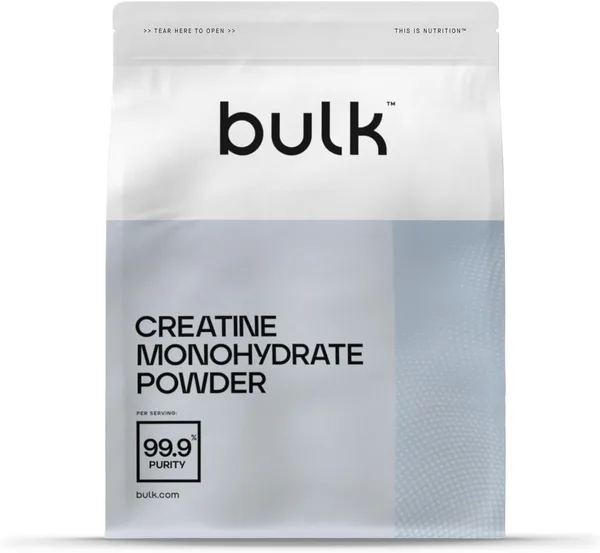
Bulk
Bulk Creatine Monohydrate (Creapure) is a pure, additive-free creatine powder sourced from AlzChem's German Creapure facility and independently verifi...
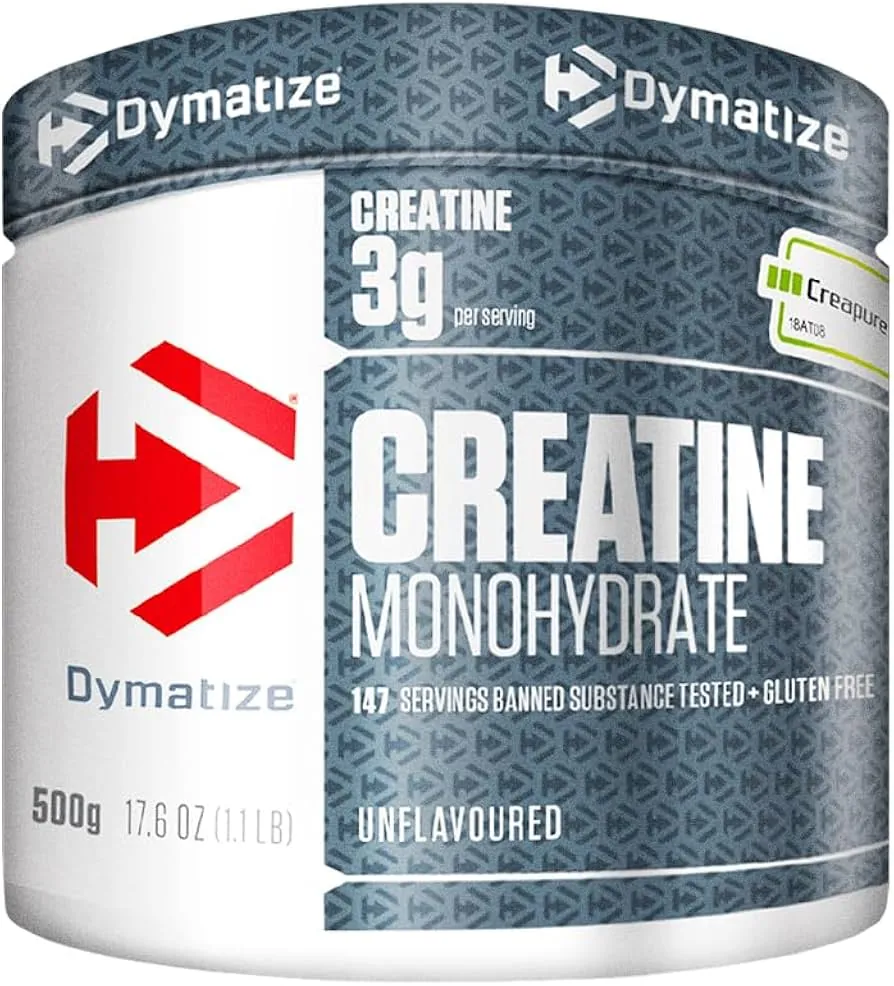
Dymatize
Dymatize Micronized Creatine Monohydrate is a 500g pure creatine supplement that, according to at least one reviewer, is sourced from Creapure — a pre...
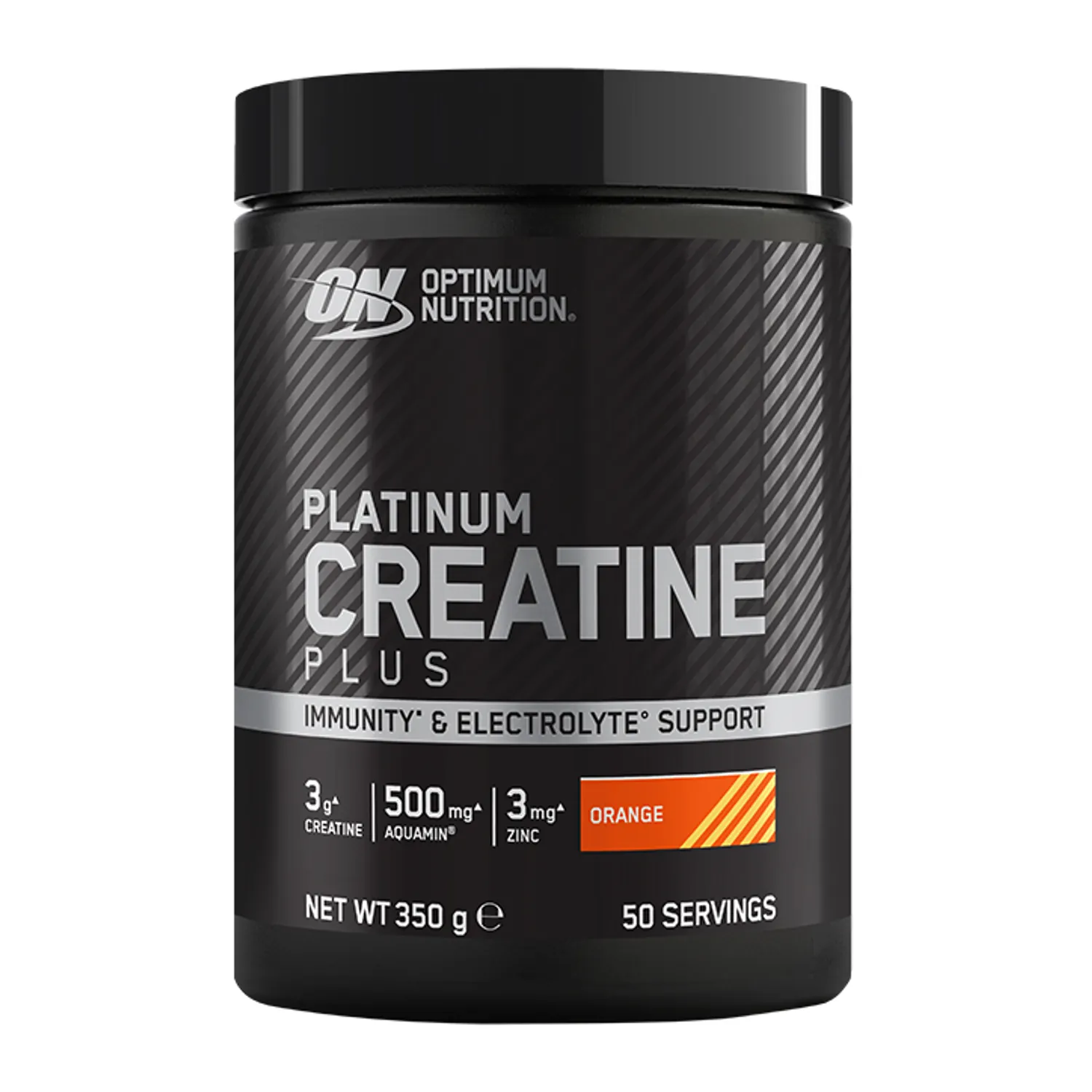
Optimum Nutrition
+ 1 other size or flavour on its page
Platinum Creatine Plus Orange by Optimum Nutrition delivers 3g of CreaBev® creatine per serving alongside electrolyte minerals (Aquamin® and CocoMiner...

Thorne
This is plain micronised creatine monohydrate at 5g per scoop with nothing else added. The NSF Certified for Sport badge is the only thing that separa...
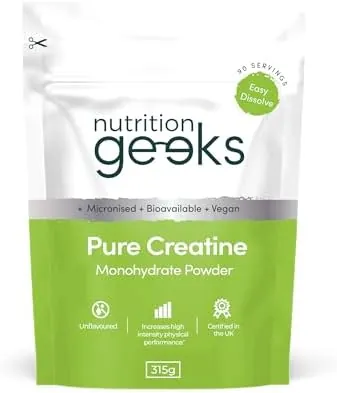
Nutrition Geeks
Nutrition Geeks Pure Creatine Monohydrate is a no-frills, unflavoured micronised powder delivering 3.5g servings across a 315g bag (90 servings), aime...

Ancient+Brave
True Creatine+ is a multi-ingredient powder from premium UK brand Ancient+Brave, combining creatine with taurine, magnesium, and vitamin D to support ...
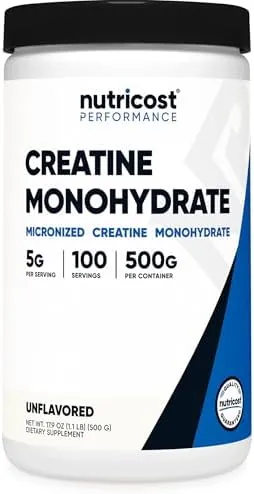
Nutricost
This is plain micronised creatine monohydrate: 5000mg (5g) per scoop and 100 servings in a 500g tub. That is the dose most of the research uses, so th...

Cellucor
Cellucor COR-Performance Creatine is a pure creatine monohydrate supplement from the makers of C4 pre-workout, providing 5g per serving across a 330g ...

Optimum Nutrition
This is plain micronised creatine monohydrate with nothing else added, and it carries Informed Choice certification. The catch is the dose. Each 3.4g ...

Applied Nutrition
Applied Nutrition's Creatine Monohydrate in Icy Blue Raspberry is a flavoured creatine powder delivering 4.25g per 5g serve — above the EU-approved 3g...

4HIM & HER
This is plain, unflavoured creatine monohydrate in micronised powder form, giving 3 g per serving. Most reviews are positive. Reviewers call it afford...

Applied Nutrition
Applied Nutrition Creatine+ Hydration Powder combines a clinically effective 5g creatine monohydrate dose with electrolytes and hydration-support ingr...

Applied Nutrition
+ 1 other size or flavour on its page
Applied Nutrition Creatine+ Hydration Powder combines 5g of creatine monohydrate with electrolytes and hydration-supporting ingredients. Both Holland ...

Applied Nutrition
Applied Nutrition's Cherry & Apple Creatine Monohydrate is a flavoured creatine powder delivering 4.25g of creatine monohydrate per 5g serving across ...

Optimum Nutrition
+ 1 other size or flavour on its page
Optimum Nutrition Micronised Creatine Monohydrate is a pure, single-ingredient creatine powder from one of the most established names in sports nutrit...

Allmax Nutrition
Very little of the feedback here is about this exact tub. Most of the discussion is general talk about creatine dosing and cognitive effects, not Allm...

MuscleTech
MuscleTech Cell-Tech Hardcore Pro Series is a carbohydrate-loaded creatine formula designed to use an insulin spike from dextrose to maximise creatine...

Ovrload
Ovrload Crealyte uses Creapure creatine monohydrate and is Informed Sport certified. That counts for a lot because in 2024 independent lab testing que...

BSN
This is plain micronised creatine monohydrate, and the powder itself is rarely the problem. Delivery and storage are. Reviewers who got a good tub say...

Universal Nutrition
Universal Nutrition Creatine Powder is marketed as pure creatine monohydrate for strength and muscle building. User reviews are mixed, with some repor...

Ancient+Brave
This is a single-serve sachet version of Ancient+Brave's True Creatine+, which adds taurine, magnesium and vitamin D to creatine. The listing gives no...

EFX Sports
Reviewers mostly rate this buffered Kre-Alkalyn creatine highly: six gave it five stars, citing strength, power and good results in the gym. The 240 c...

Applied Nutrition
+ 1 other size or flavour on its page
Applied Nutrition's Creatine Gummies deliver 3g of creatine monohydrate per 4-gummy serving in a convenient, travel-friendly format that removes the n...

Applied Nutrition
Applied Nutrition's Creatine Gummies deliver 3g creatine monohydrate per 4-gummy serving in a Millions® Blackcurrant collaboration format, targeting u...
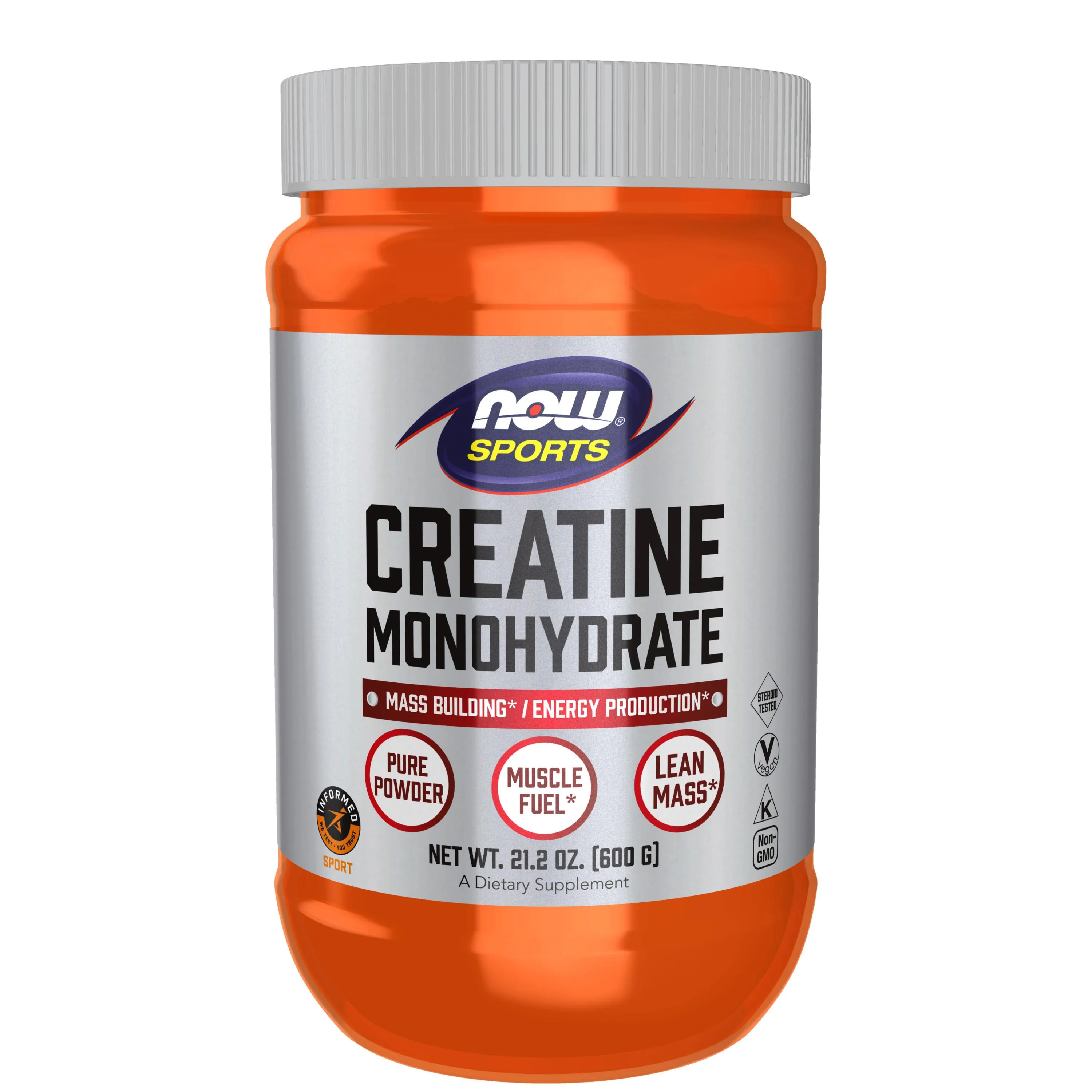
NOW Sports
This is a 750g tub of plain creatine monohydrate. That's the most heavily researched form of creatine, and it reliably raises muscle creatine stores w...

Transparent Labs
Transparent Labs Creatine HMB Powder puts creatine and HMB in one scoop, and the listing says it's meant for muscle building and recovery. Creatine is...

Con-Cret
Con-Cret uses creatine hydrochloride instead of the much more studied monohydrate form. It sells the idea of "micro-dosing" capsules with no loading p...

EFX
EFX Kre-Alkalyn is a pH-buffered creatine, and its main pitch is better stability and absorption. The description makes that claim but gives no eviden...
What to Look for in Creatine
The single most important thing to check when buying creatine is whether it uses Creapure. Creapure is a pharmaceutical-grade creatine monohydrate manufactured in Germany by AlzChem, and it's the most rigorously tested form on the market. Our top-rated product, Bulk Creatine Monohydrate (Creapure) 500g, scored 91 out of 100 — and Creapure certification is a big reason why. Not every product that claims to be "pure creatine monohydrate" is using Creapure; many use cheaper creatine sourced from elsewhere, which can carry impurities like creatinine, dicyandiamide, and dihydrotriazine.
After sourcing, check the dose. The research-backed effective dose for creatine monohydrate is 3–5g per day during a maintenance phase. If a product gives you less than 3g per serving without explanation, question it. Some gummy and flavoured formats sacrifice dose for palatability. Make sure you're actually getting a clinically relevant amount per serving, not a token scoop buried in a flavoured blend.
Third-party testing matters if you're a competitive athlete. Only 4 of the 31 products we analysed carry third-party certification such as Informed Sport or NSF. If you compete in a tested sport, this isn't optional — it's the only reliable way to confirm there are no banned substance contaminants. Dymatize Creatine Micronized 500g, our second-ranked product at 85/100, is a strong example of a well-tested option at a reasonable price.
Finally, keep it simple. Creatine monohydrate has decades of research behind it. Fancy variants like creatine HCl, buffered creatine (Kre-Alkalyn), and creatine ethyl ester are marketed aggressively but have not demonstrated meaningful superiority in independent research. The products at the bottom of our rankings frequently included unnecessary additives, proprietary blends, and underdosed extras that add cost without adding benefit.
Common Mistakes When Buying Creatine
Our analysis of 31 products shows a price range from £9.99 to £42.99, with an average of £21.27. A significant number of buyers are paying well above that average for products that scored lower than much cheaper alternatives. The best-value product in our entire dataset — Bulk Creatine Monohydrate (Creapure) 500g — costs just £16.99 and scored 91/100, including a value-for-money score of 91/100. Spending more does not mean getting more.
One common mistake is trusting Amazon star ratings over ingredient analysis. A product can accumulate thousands of four- and five-star reviews based on taste, packaging, and fast delivery while containing an underdosed, poorly sourced creatine. Creatine is flavourless and colourless in its pure form, so reviews about how it "mixes well" tell you nothing about efficacy.
Buyers also frequently fall for loading phase marketing. Some brands push loading protocols — 20g per day for five days — as essential. For most recreational gym-goers, a straightforward 3–5g daily dose works just as well over a slightly longer timeline, and skips the bloating some people experience during a loading phase. You do not need a product that specifically markets itself for loading unless you have a very specific short-term reason.
Another mistake is choosing gummies or flavoured formats without checking the dose. Gummies accounted for 3 of the 31 products we reviewed. They are often more expensive per serving and deliver less creatine per unit than powder. If convenience is your priority, that's a fair trade-off — but go in with eyes open about cost per gram of actual creatine.
Types and Forms Explained
Powder is by far the most common format in our dataset, accounting for the majority of products reviewed. It's the most cost-effective way to buy creatine and the most flexible — you can mix it into water, juice, or a protein shake. Unflavoured creatine monohydrate powder has virtually no taste when dissolved, which makes it genuinely easy to take. Powder is the right choice for most people, most of the time.
Micronised powder is a subset worth understanding. Micronisation means the creatine particles have been ground more finely, which improves solubility and reduces the gritty sediment you can sometimes get with standard powder. Both Dymatize Creatine Micronized and Optimum Nutrition Micronized Creatine Powder use this process. If you've found creatine clumps in the bottom of your shaker before, a micronised version is worth trying — though at comparable doses, the performance effect is the same.
Gummies are a newer format and genuinely useful if you struggle to remember a powder dose or simply find it easier to take a chew alongside other supplements. The trade-off is cost and dose. Gummies typically cost more per serving and may contain lower creatine content alongside sugar, flavourings, and binding agents. If you're going the gummy route, verify the creatine dose per serving and account for it in your daily total.
Flavoured powders sit between the two. They offer the cost efficiency of powder with the palatability of gummies. The downside is that flavouring adds ingredients, and some products use artificial sweeteners or additives that certain buyers prefer to avoid. If ingredients matter to you, check the label carefully before assuming a flavoured powder is as clean as an unflavoured one.
What to Expect to Pay
At the lower end of the market — roughly £10 to £16 — you can find straightforward creatine monohydrate powders that do the job. Quality varies considerably at this price point. Some products in this range use unverified creatine sources, so it's worth checking whether the brand discloses where their creatine is manufactured.
The £16 to £25 range is the sweet spot. This is where the best-value options sit. Bulk Creatine Monohydrate (Creapure) 500g at £16.99 is the standout: Creapure-certified, unflavoured, and scoring 91/100 overall. Optimum Nutrition Micronized Creatine Powder at £16.00 also falls here and scored 79/100. You are getting verified, quality creatine without paying for brand premium at this level.
Between £25 and £35, you start paying for brand reputation, flavouring, or third-party certification. Dymatize Creatine Micronized at £26.92 scored 85/100 and is a reasonable choice for athletes who prioritise testing credentials. Optimum Nutrition Platinum Creatine Plus Orange at £35.00 scored 80/100 — the extra spend buys a flavoured, convenient format rather than meaningfully better creatine.
Above £35, up to the £42.99 ceiling in our dataset, you are largely paying for marketing, packaging, or novelty formats. None of the products at the top of our price range appeared in the top five by score. Unless there is a specific reason — such as a particular certification or format that genuinely suits your lifestyle — there is little evidence that spending more than £25 on creatine improves your results.
How We Rank Creatine
We analyse user reviews from Amazon UK and other public sources, cross-references ingredient labels and dosage information, checks for third-party testing certifications, and evaluates value for money. Each product is scored 0–100 across evidence-based categories: effectiveness, ingredient quality, value for money, side effects profile, certifications, and an overall score.
Rankings are updated regularly as new reviews and pricing data become available. Products must pass our quality gate (minimum review count and data coverage) to appear on this page.
Frequently Asked Questions
What is the best creatine in 2026? ▼
How are creatine ranked on AIScored? ▼
Is Bulk Creatine Monohydrate (Creapure) 500g worth the price? ▼
What the Data Says
Why do 87% of UK creatine products lack third-party certification?
87% of UK creatine products have zero independent certification. Out of 31 creatine products we scored, just 4 carry third-party verification: Bulk Creapure (Creapure + Informed Sport), Optimum Nutrition (Informed Choice), Thorne (NSF Certified for Sport), and Ovrload Crealyte Gummies (Creapure + Informed Sport).
The quality gap is real. Certified creatine scores 77.2/100 on average. Uncertified creatine scores 67.5. That's a 9.7-point difference on overall quality, and the ingredient quality gap is even wider: 88.5 vs 70.9.
Why so few? Third-party testing costs money, and UK regulations don't require it for sports supplements. Brands that invest in certification tend to use higher-grade raw materials too. Bulk Creapure, our top-scoring creatine at 91/100, uses Creapure-branded monohydrate manufactured in Germany with documented purity testing. Most budget creatine powders don't disclose where their creatine comes from or whether it's been independently verified.
If purity matters to you, look for one of these four certifications on the label: Creapure, Informed Sport, Informed Choice, or NSF Certified for Sport.
Is creatine monohydrate better than HCL or other forms?
Monohydrate wins. The top 5 creatine products in our database are all monohydrate-based, led by Bulk Creapure at 91/100. That's not a coincidence.
Creatine monohydrate has decades of clinical research behind it. Over 500 published studies confirm its effects on muscle strength, power output, and recovery. HCL, ethyl ester, and buffered forms have far less evidence, and none have been shown to outperform monohydrate in head-to-head trials.
The 'better absorption' claim for HCL sounds compelling, but there's limited independent data to support it at the doses you'd actually take. Monohydrate is also the cheapest form by a wide margin.
The bloating concern with monohydrate is real for some people, but it's usually a loading-phase issue. Starting at 3-5g daily (no loading phase) avoids it for most users.
Guides and research on creatine
Our longer write-ups behind these scores.
- Guide Best creatine UK
- Guide Creatine Ultimate FAQ
- Report Creapure vs Generic Creatine: Is the German Premium Worth Paying?
- Report Father's Day 2026: The Best Supplements for Dads, by Age
- Report The Amazon 5-Star Illusion
- Report The Certification Black Hole
- Report Side Effects: The Silent Score
- Report Are Nutrition Geeks Supplements Any Good? We Scored All 14
Disclaimer: AIScored provides data-driven rankings based on publicly available reviews and product information. This is not medical advice. Always consult a healthcare professional before starting any supplement. Affiliate links may earn us a commission at no extra cost to you.