Creatine Ultimate FAQ (UK 2026)
Most creatine confusion traces back to one outdated 2009 study, one bad gym rumour, and one misread creatinine blood test. Five questions cover almost everything people actually want to know.
Quick Answer (TL;DR)
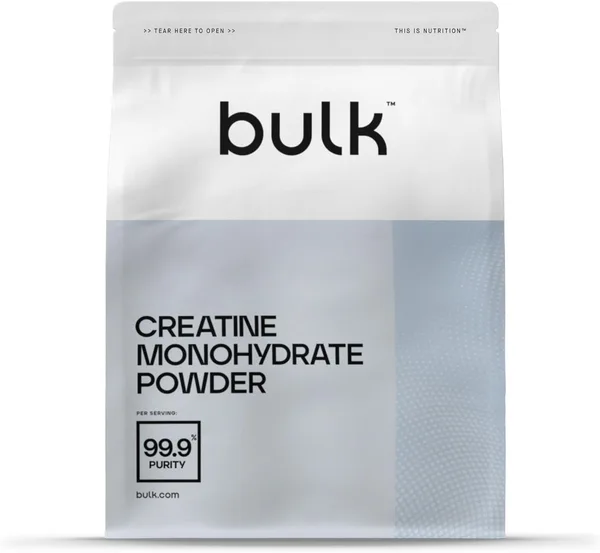
Bulk Creatine Monohydrate (Creapure) 500g
Bulk
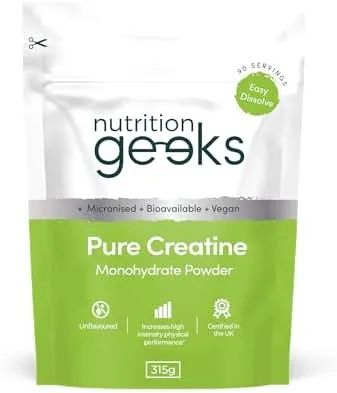
Pure Creatine Monohydrate Powder - 315g (90 Servings) - Easy Dissolve Creatine Powder, Unflavoured & Micronised (Not Creatine Gummies or Creatine Tablets), Vegan Creatine for Women and Men
Nutrition Geeks
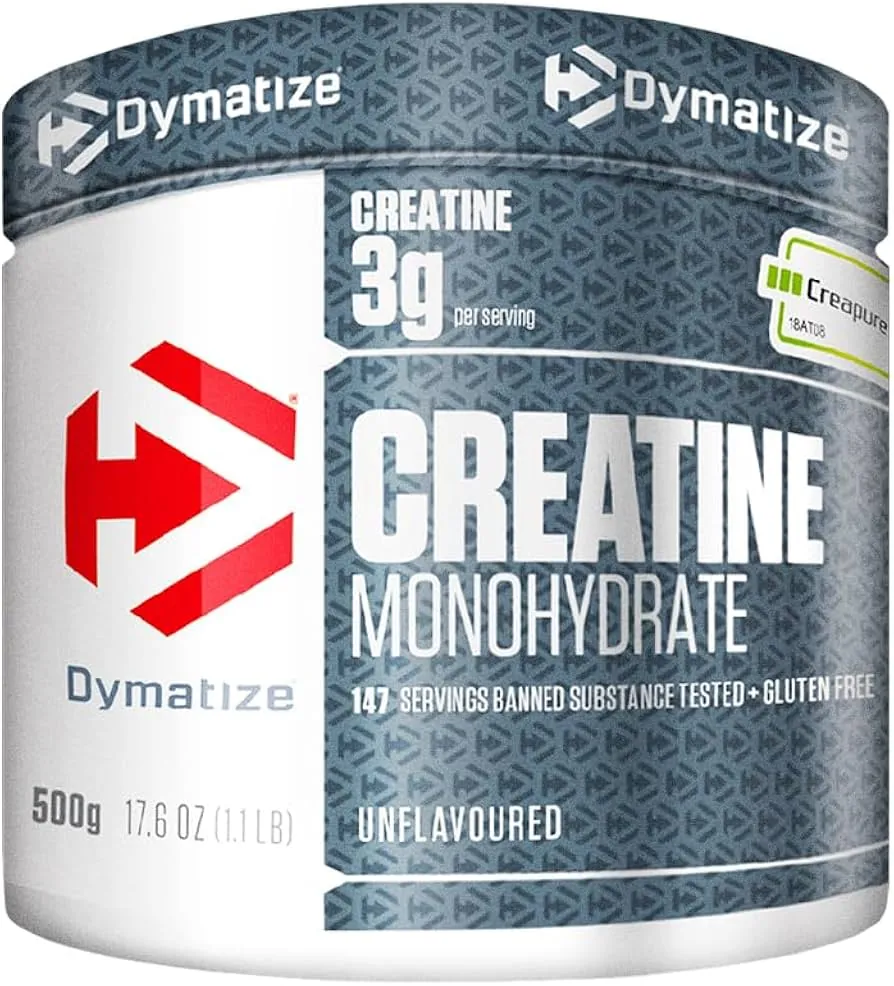
Dymatize Creatine Micronized 500g
Dymatize
Creatine is the most studied sports supplement in history. Over 500 peer-reviewed trials. A formal position stand from the International Society of Sports Nutrition. And yet the same five questions keep coming up every time someone walks into a supplement shop.
Does it cause hair loss? Do I need to load? What about rest days? Below are clear answers, backed by clinical data instead of gym hearsay.
Who This Guide Is For
Anyone starting creatine, or already taking it, who has heard contradictory advice about hair loss, loading phases, water retention, or stacking with caffeine and wants straight answers.
When To Seek Professional Help
If you have kidney disease, elevated creatinine on a recent blood test, or take medications affecting kidney function (including NSAIDs and some blood pressure drugs), check with a clinician before starting creatine.
Curated Top Picks
View all creatine comparisons →
Bulk Creatine Monohydrate (Creapure) 500g
Bulk
Why this pick
Uses Creapure monohydrate from AlzChem in Germany — the purity benchmark for creatine. Documented testing for contaminants. The product mentioned in the hair-loss section above.
Choose this if:
Creapure-certified: pharmaceutical-grade German creatine monohydrate, not Chinese-sourced
Avoid this if:
Unflavoured taste is neutral at best — one reviewer described it as 'gritty chalk water' with plain water

Optimum Nutrition Micronized Creatine Powder 317g
Optimum Nutrition
Why this pick
Micronized monohydrate from one of the most established UK sports nutrition brands. Dissolves more cleanly than non-micronized powder, which helps if you mix it into coffee or shakes.
Choose this if:
Pure micronized creatine monohydrate — the most researched and evidence-backed form of creatine available
Avoid this if:
Serving size is 3.4g, which falls short of the 5g daily dose used in virtually all clinical efficacy studies — users need to scoop ~1.5 servings to hit the research-backed dose, reducing the effective yield to roughly 62 servings rather than 93

Thorne Creatine 405g
Thorne
Why this pick
NSF Certified for Sport — independently tested for banned substances. Useful if you compete or get drug-tested.
Choose this if:
NSF Certified for Sport — the most credible certification for competitive and professional athletes
Avoid this if:
Significantly overpriced relative to equally pure creatine from budget or mid-tier brands — Reddit consensus is consistent on this
Best Creatine by Use Case
The top-scoring product for each common goal, based on our database of scored reviews.
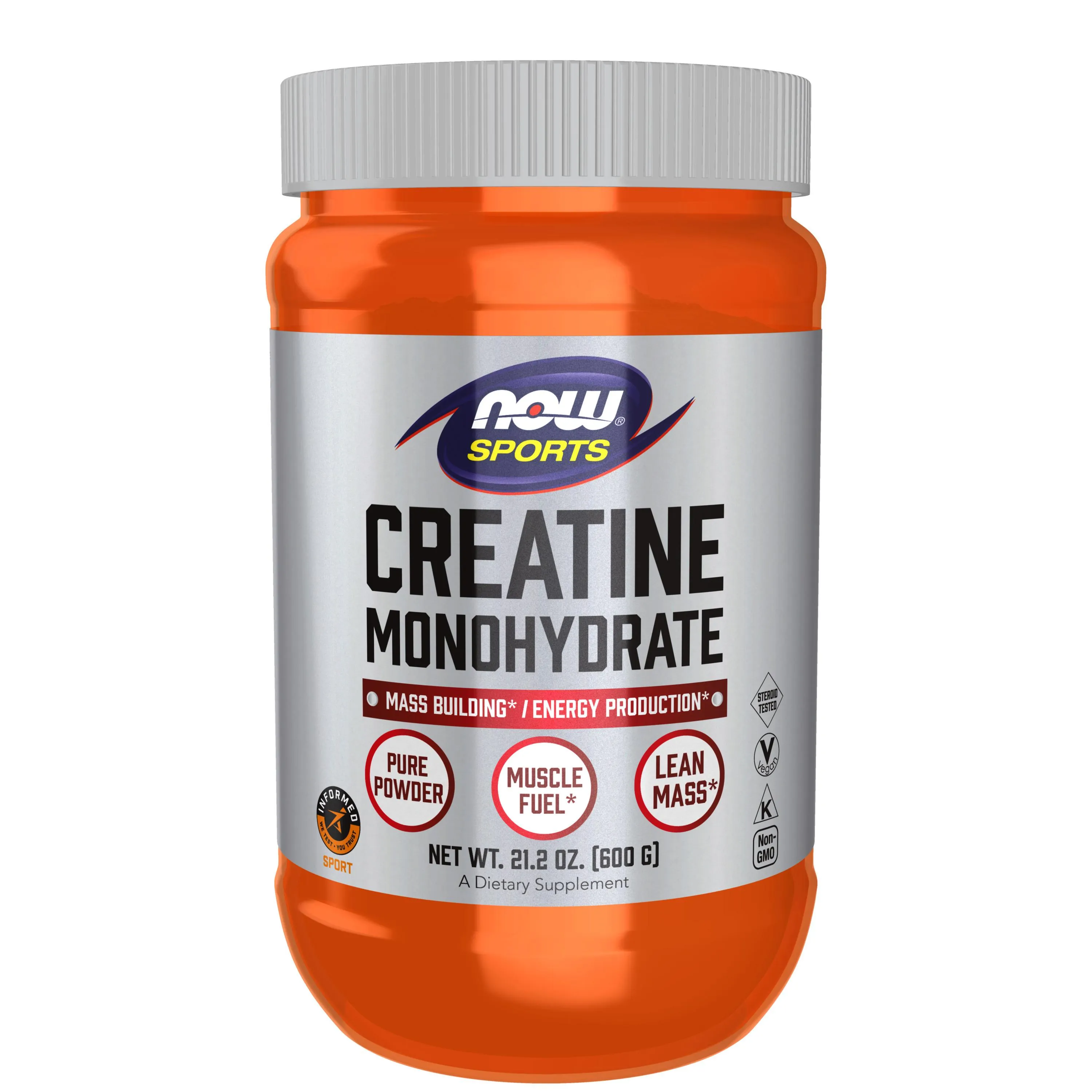
NOW Sports Creatine Monohydrate Powder 750g
NOW Sports Creatine Monohydrate Powder is a pure, unflavoured creatine supplement from one of the most established names in sports nutrition, backed by decades of scientific evidence supporting creatine's role in improving strength, power output, and muscle recovery.
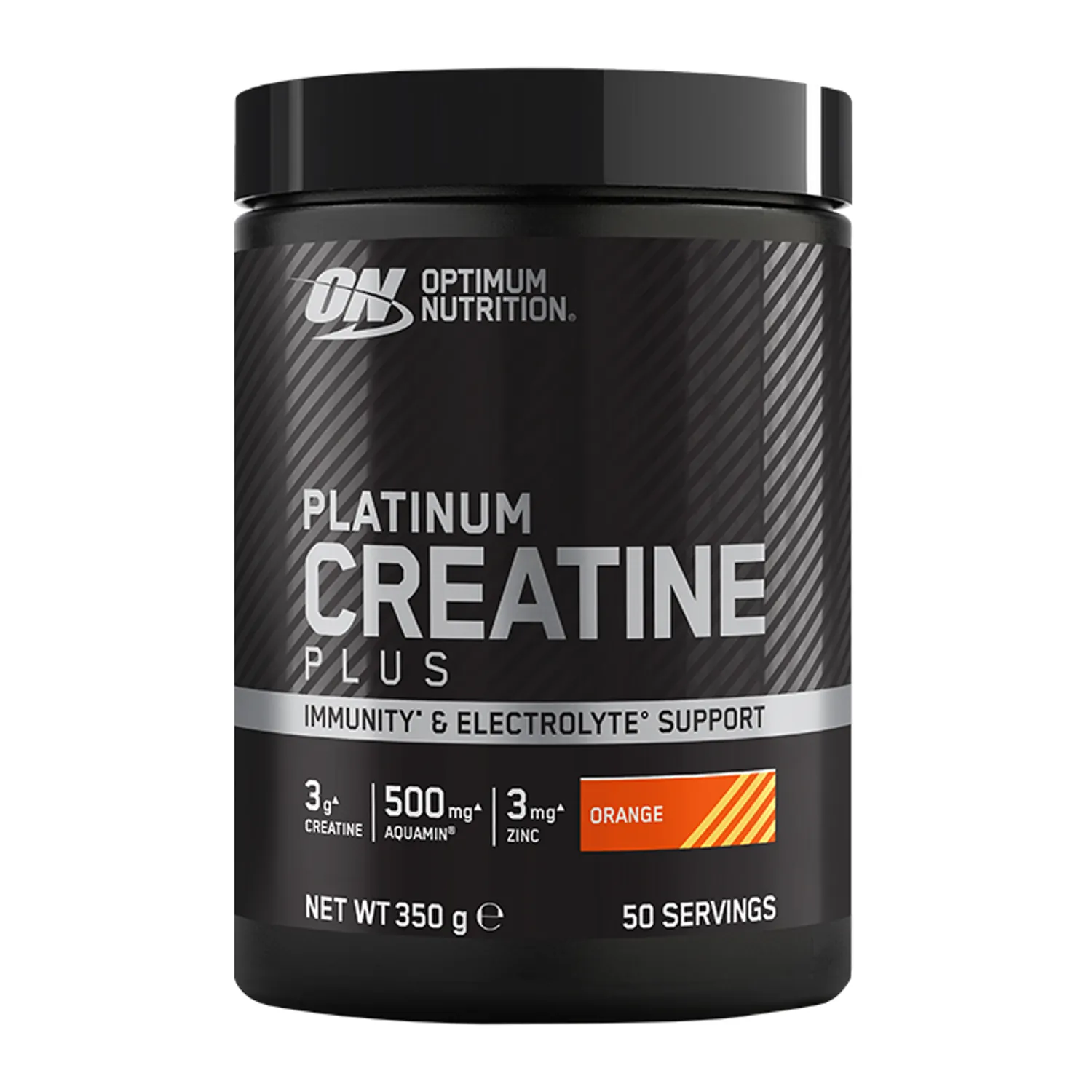
Platinum Creatine Plus Orange 350g
Platinum Creatine Plus Orange by Optimum Nutrition delivers 3g of CreaBev® creatine per serving alongside electrolyte minerals (Aquamin® and CocoMineral™) in a ready-to-mix orange powder.

Transparent Labs Creatine HMB Powder
Transparent Labs Creatine HMB combines 5g of creatine monohydrate with 1.5g of HMB (β-Hydroxy β-Methylbutyrate) per serving, targeting muscle growth, strength, and recovery.

Allmax Nutrition Creatine Monohydrate 1000g
Allmax Nutrition Creatine Monohydrate is a pharmaceutical-grade, micronised creatine monohydrate sold in a 1kg tub aimed at regular users.
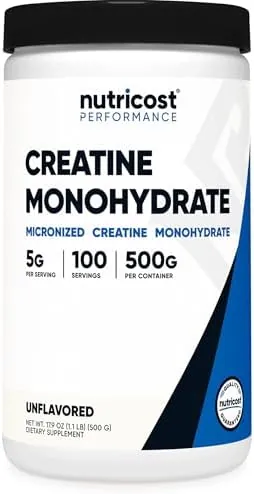
Nutricost Creatine Monohydrate Micronized Powder 500G, 5000mg Per Serv (5g) - 100 Servings for Endurance, Muscle Growth, Athletic Performance and Recovery
Nutricost Creatine Monohydrate Micronized Powder delivers a standard 5g dose of one of the most well-researched sports supplements available.
Nutricost Creatine Monohydrate Micronized Powder 500G, 5000mg Per Serv (5g) - 100 Servings for Endurance, Muscle Growth, Athletic Performance and Recovery
Nutricost Creatine Monohydrate Micronized Powder delivers a standard 5g dose of one of the most well-researched sports supplements available.
Does creatine cause hair loss? The DHT myth, explained
This is the question that makes a lot of guys hesitate. The fear traces back to a single 2009 study on college rugby players in South Africa. After a 7-day loading phase, participants showed a slight rise in DHT (dihydrotestosterone). Since DHT is the hormone linked to male pattern baldness, the panic took off from there.
Here is what gets missed. That study has never been replicated. In the 15+ years since, no follow-up trial has shown that creatine raises DHT enough to cause baldness in healthy men. The ISSN position stand lists hair loss as 'unsupported' on the side-effect list.
If you are already genetically prone to male pattern baldness, creatine is not going to flip a switch — your follicles are already responding to your baseline DHT. If purity matters to you, look for the Creapure trademark. It is German-manufactured monohydrate with documented testing for contaminants like creatinine and dicyandiamide. The Bulk Creatine Monohydrate (Creapure) 500g is one of the most consistently reviewed Creapure options on the UK market.
Do you actually need a loading phase?
A loading phase means 20g daily, split into 4 doses, for 5-7 days. After that you drop to 3-5g as maintenance. The pitch: saturate your muscle stores fast so the strength effect kicks in within a week.
Do you need it? No. A flat 5g daily reaches the same saturation point in 3-4 weeks. End result on the scale, in the gym, and in the muscle is identical.
Skip loading if you have a sensitive stomach. Big single doses are the main reason people complain about bloating and GI upset on creatine. Only consider loading if you have a competition, trial, or strength test in the next 7-10 days and need the saturation now.
Should you take creatine on rest days?
Yes. 3-5g on rest days too. Creatine is not a pre-workout — it does not give you a same-day energy hit. It works by building up in muscle tissue over weeks. Skip enough rest days and your stores drift back down, which blunts the effect during your next heavy session.
Timing does not matter on rest days. Take it with breakfast, with a meal, in a glass of water before bed. Whatever helps you not forget. The only thing that matters is consistency.
Mixing creatine with coffee, pre-workout, and energy drinks
Chemically there is no issue. The old claim that caffeine 'cancels out' creatine came from a 1996 cycling study, and it has been mostly walked back by later research. You can throw your creatine into your pre-workout or your morning coffee without losing the benefit.
Two practical things to watch. First, caffeine and creatine both pull water around in your body, so drink more plain water than you normally would — 2.5 to 3 litres a day is a sensible floor. Second, dumping creatine powder into hot coffee on an empty stomach is a recipe for nausea in some people. If your stomach is sensitive, mix it into a protein shake or plain water with food.
Creatine weight gain: water inside the muscle, not fat
It is normal to put on 1-2 kg (about 2-4 lbs) in the first few weeks. That is not fat. Creatine pulls water into the muscle cell — this is called intracellular hydration, and it is part of how it actually works.
Visually, intracellular water makes muscles look fuller, not puffy. The bloated look you might be worried about comes from subcutaneous water (between the skin and muscle), which creatine does not really cause.
If the scale jumps and you panic, give it 4-6 weeks. Body weight stabilises once your stores are saturated. Plus, the extra weight is part of what makes you stronger — your cells are now carrying the substrate they need to refuel mid-lift.
Key Takeaway
No solid evidence creatine causes hair loss — that rumour rests on a single 2009 study that has never been replicated. 5g a day works whether you load or not; loading just gets you there in a week instead of a month. Take it on rest days too. Mix it with coffee, but drink more water. The weight you put on in the first few weeks is water inside the muscle, not fat — and that is part of why your lifts go up.
Hard Selection Rules
- Used peer-reviewed trials and meta-analyses, not brand-funded white papers.
- Cross-checked every claim against the ISSN position stand on creatine supplementation.
- Flagged the difference between strong evidence (monohydrate efficacy, saturation timeline) and weak single-study claims (DHT and hair loss).
What We Excluded
- Skipped niche forms (ethyl ester, buffered, liquid creatine) — none beat monohydrate on the evidence.
- Did not give clinical advice for diagnosed kidney conditions; that conversation belongs with your GP.
- Did not re-rank brands here; for that, see our main best-creatine UK guide.
Decision Framework
- Start with 5g of creatine monohydrate daily. Skip the loading phase unless you have a competition in the next week.
- Take it whenever you will remember — with food, post-workout, or before bed. Consistency beats timing.
- Drink 2.5-3 litres of water a day, especially if you also drink coffee or pre-workout.
- Give it 4 weeks before judging the effect. Track lifts and body weight, not the way you look in the mirror.
Frequently Asked Questions
Does creatine damage your kidneys?
No, not in healthy adults. Long-term studies (up to 5 years of daily use) show no harm to kidney function. The myth comes from the fact that creatine slightly raises creatinine — a kidney filtration marker — on blood tests. Higher creatinine here does not mean kidney damage; it just means more creatine in your system. If you already have kidney disease or elevated creatinine for clinical reasons, talk to your doctor first.
How long before creatine starts working?
Expect the strength effect 2-4 weeks into daily 5g dosing. With a loading phase, it can show up in 5-7 days. The first sign is usually one extra rep at your normal weight, not a dramatic transformation. Big visible changes take 8-12 weeks of consistent training on top of supplementation.
Can women take creatine?
Yes. Same 3-5g daily dose. Trials in women show identical strength and lean mass benefits, with no female-specific side effects. Some women hold off because of the water-weight gain, but the same logic applies — it is intracellular water, not subcutaneous bloat.
Is creatine HCl better than monohydrate?
No. Despite the marketing, no peer-reviewed head-to-head trial has shown HCl outperforming monohydrate on strength, power, or muscle gain. Monohydrate has 500+ studies behind it. HCl has a handful. The 'better absorption' pitch sounds good in a sales sheet but it does not show up in actual performance outcomes. Save your money.